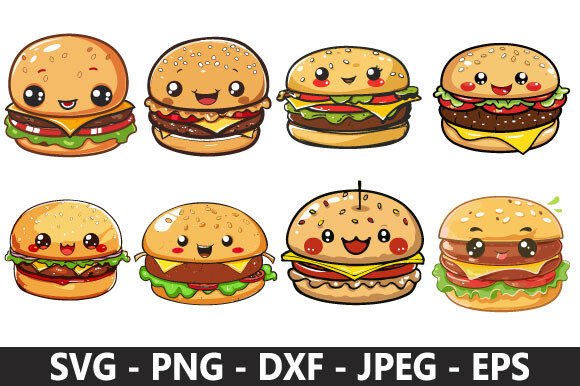
Cartoon Hamburger SVG Bundle – A Playful Graphic Design Asset for Content Creators
Real-World Publishing Use Cases
- Blog Featured Images: The hamburger illustration can serve as an eye-catching focal point in featured images, especially for posts about food, marketing, or productivity metaphors.
- Pinterest Graphics: With its vibrant colors and scalable vector format, this design works well as a background element or overlay in Pinterest pins that promote recipes, food photography tips, or even content marketing strategies using food analogies.
- Article Headers & Website Banners: Its bold presence makes it suitable for headers or banners on landing pages, category sections, or article intros that aim to grab attention quickly.
- Newsletter Banners: Add a pop of character to your email newsletters by integrating the cartoon hamburger subtly into headers or promotional sections.
- Lead Magnets & Digital Guides: For downloadable resources like worksheets, checklists, or digital guides related to branding, social media strategy, or website design, this SVG bundle can help reinforce a creative and friendly tone.
- eBook Covers and Printables: If you’re designing a lighthearted guide or printable PDF, the cartoon hamburger offers a unique visual hook that stands out in a sea of generic stock images.
- Social Media Previews: Whether for Instagram, Facebook, or Twitter, the high-resolution PNG and JPEG files ensure crisp rendering across platforms, supporting consistent branding in your social media graphics.
- Canva Templates: This design can be easily imported into Canva for use in templates, making it a valuable freebie for creators who rely on drag-and-drop tools for quick content production.
Boosting Visual Communication and Brand Identity
- Content marketing strategies (e.g., “Bite-Sized Tips for Building Your Brand”)
- Website design best practices (e.g., “Designing Delicious Layouts”)
- Affiliate marketing campaigns centered around food products or kitchen tools
- Digital product launches (e.g., a course on creating engaging blog graphics)
Where This Design Shines Brightest
- Hero Images: Use it as a central graphic in hero sections to create a memorable entry point for your blog or website.
- Article Thumbnails: When paired with the right headline, it helps increase click-through potential by signaling a fun, approachable read.
- Pinterest Pins: Its colorful and stylized appearance is ideal for vertical formats, enhancing scroll-stopping power.
- Editorial Accents: Incorporate it as a decorative separator or accent within articles to break up text and add interest.
- Content Upgrades: Pair the image with a lead magnet such as a printable checklist or digital guide to improve perceived value.
- Category Visuals: Help readers instantly recognize sections dedicated to food, lifestyle, or creative design through consistent use of the burger motif.
- Downloadable Resources: Its inclusion in printables, infographics, or worksheets adds a layer of professionalism and polish.
- Newsletter Headers: Break the monotony of standard newsletter designs by adding a playful yet cohesive header with this asset.
Use It Carefully in These Situations
- Small Mobile Thumbnails: The detailed design may lose clarity on smaller screens; consider simplifying or cropping carefully.
- Text-Heavy Blog Images: Avoid placing it over dense paragraphs unless contrast and readability have been tested thoroughly.
- Low-Contrast Backgrounds: The asset could become visually lost if not placed against a sufficiently contrasting backdrop.
- BUSY LAYOUTS: In complex designs with multiple elements, it might compete for attention rather than enhance the layout.
- serious Professional Niches: Corporate websites, legal blogs, or highly technical content should avoid this asset unless it serves a very specific metaphorical purpose.
- Websites with Minimalist Visual Systems: The cartoon style may clash with ultra-clean or monochrome branding approaches.
Practical Publisher Notes for Using the Cartoon Hamburger SVG Bundle
Test on Multiple Screens: Ensure it looks good on both desktop and mobile devices, especially if it's part of your site’s visual system or used in social media graphics.
Thumbnail Preview Check: Resize it down to thumbnail dimensions and assess whether the key visual elements remain clear and recognizable.
Layout Integration: Preview the asset inside a real blog layout or website template to evaluate spacing, alignment, and overall flow.
Headline Compatibility: Try pairing it with different headline styles to see how it enhances or detracts from the message being conveyed.
Contrast and Readability: Confirm that text overlays or call-to-action buttons don’t get buried under the design, particularly in darker tones.
Black and White Testing: Some color combinations may flatten in grayscale, so test the asset in black and white to ensure it still conveys meaning.
Font Pairing: Experiment with placing the design next to serif, sans-serif, script, handwritten, and display fonts to find the best typographic match.
File Size Considerations: Since it includes SVG, PNG, JPEG, PDF, DXF, EPS, and AI files, choose the appropriate format based on performance needs—SVG for scalability, JPEG/PNG for fast-loading blog thumbnails.
Commercial Licensing: Always verify the commercial license terms before using it in monetized environments like affiliate marketing sites, paid digital downloads, or sponsored content.